
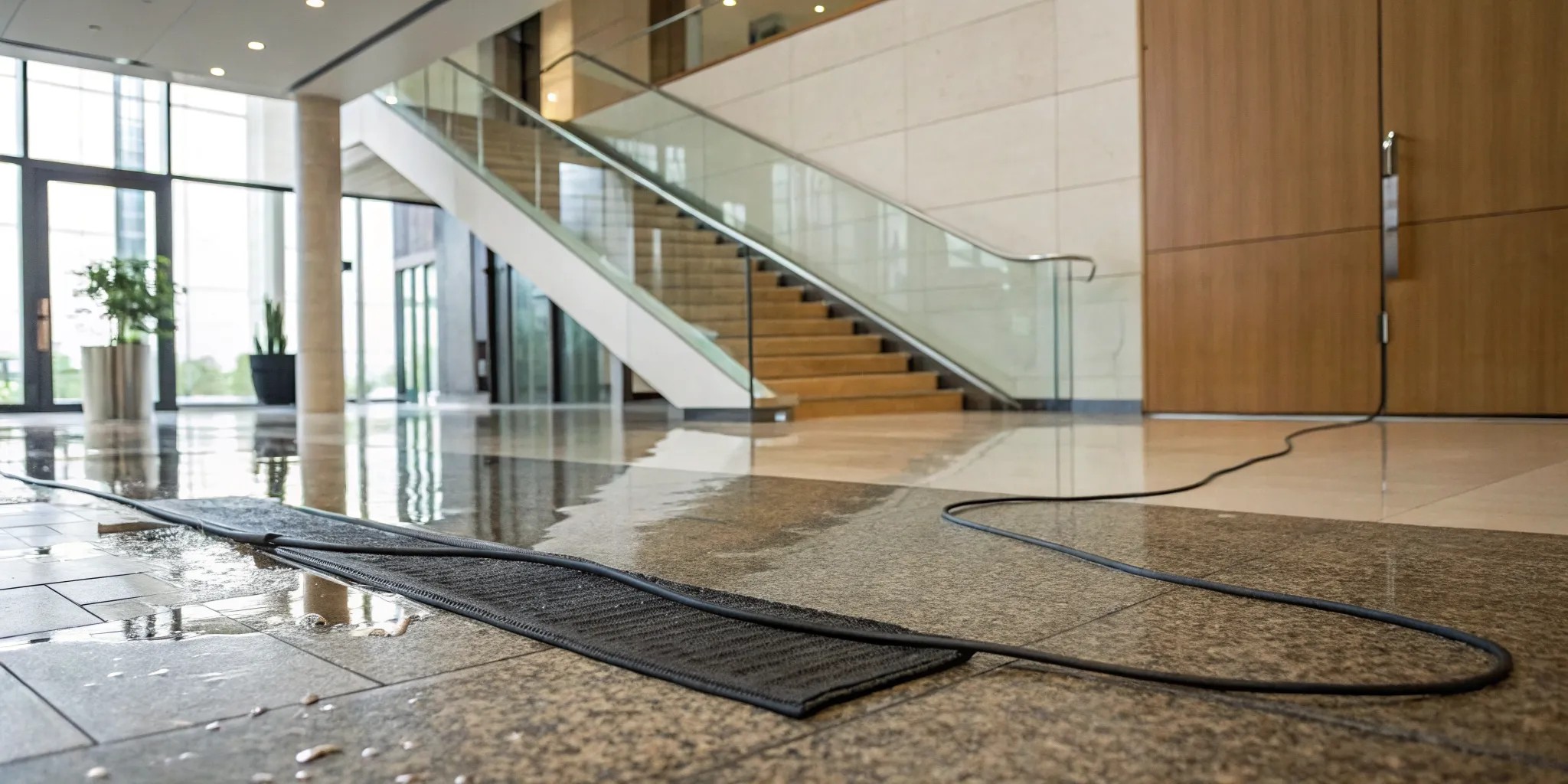
An injury on another person's property does more than just cause physical pain; it can leave you with a deep sense of injustice. You were a guest, a customer, or a tenant, and you had a reasonable expectation of safety. When a property owner fails to meet that expectation, the law provides a path forward. The core of this path is understanding what constitutes premises liability. This isn't about finding someone to blame; it's about holding a negligent property owner accountable for their legal duty to keep you safe. To do that, you must prove they failed in that duty and that their failure directly caused your injuries. This guide will walk you through exactly what that means for your case.
Key Takeaways
- Your Visitor Status Determines the Owner's Duty: The level of care a property owner legally owes you depends on why you were on their property, whether you were a business customer, a social guest, or a trespasser.
- A Successful Claim Requires Proving Four Elements: To build a strong case, you must demonstrate the owner had a duty of care, they breached that duty, this breach directly caused your injury, and you suffered actual damages.
- Time and Evidence Are Critical to Your Case: You must act quickly because Florida has a strict two-year deadline for filing a claim, and crucial evidence can disappear, making it important to consult an attorney promptly.
What Is Premises Liability?
At its core, premises liability is the legal concept that holds property owners responsible for injuries that happen on their property. This responsibility kicks in when an injury is caused by an unsafe or defective condition that the owner knew about, or should have known about, but failed to fix. These cases are built on the idea of negligence, which simply means the property owner didn't act with reasonable care to keep visitors safe.
This area of law covers a lot more ground than you might think. It’s not just about a wet floor at the grocery store. It can apply to a broken handrail in an apartment building, a poorly lit parking lot, an aggressive dog at a neighbor’s house, or a falling object at a construction site. If you were hurt on someone else’s property, understanding your rights is the first step. These situations fall under the wider umbrella of personal injury law, which is designed to help injured people get the support they need to recover. The key is proving that the property owner’s carelessness directly led to your injury.
Premises Liability vs. Personal Injury: What's the Difference?
It’s easy to get these two terms mixed up, but the distinction is pretty simple. Think of it this way: "personal injury" is the broad legal category, like "fruit," while "premises liability" is a specific type, like "apples." Personal injury law covers any case where one person's negligence causes harm to another, including car accidents, medical malpractice, and defective products.
Premises liability, on the other hand, deals specifically with injuries that occur on someone else's property. The case centers on the property owner's legal duty to maintain a reasonably safe environment for visitors. To build a successful claim, you and your attorney must prove four key things: the owner had a duty to keep you safe, they failed in that duty, their failure caused your injury, and you suffered actual damages as a result.
Common Myths About Premises Liability Claims
There’s a lot of misinformation out there about premises liability, so let’s clear a few things up. One of the biggest myths is that these claims are only for "slip and fall" accidents. While those are common, premises liability also covers dog bites, swimming pool accidents, inadequate security that leads to an assault, and injuries from building code violations.
Another common misconception is that if you get hurt on someone’s property, the owner is automatically responsible for your medical bills. This isn't true. You still have to prove the owner was negligent. Just because an accident happened doesn’t mean the owner is legally at fault. Finally, many people believe you can only file a claim against a business or commercial property, but these laws apply to private residences, too.
Why Your Visitor Status Matters in a Claim
When you are injured on someone else's property, one of the first questions a lawyer will ask is, "Why were you there?" It might seem like a simple question, but the answer is critical. In Florida, the level of responsibility a property owner has to keep you safe depends on your legal status as a visitor at the time of the injury. This concept is a cornerstone of any premises liability claim.
Your reason for being on the property places you into one of three categories: an invitee, a licensee, or a trespasser. Each category comes with a different "duty of care," which is the legal term for the owner's obligation to prevent harm. An owner's duty to a customer at their grocery store is much higher than their duty to someone cutting across their lawn without permission. Understanding where you fit helps determine if the property owner was negligent and whether you have a strong claim for compensation. Let's break down what each of these categories means for you.
Invitees: The Highest Level of Protection
An invitee is someone who enters a property for a business purpose that benefits the owner. Think of customers in a retail store, clients visiting an office, or patrons at a restaurant. If you were on the property to conduct business, you are considered an invitee. Property owners owe the highest duty of care to invitees. This means they must not only fix or warn you about known dangers but also actively and regularly inspect their property to discover and address any potential hazards. For example, a grocery store must routinely check for spills to prevent slip and falls.
Licensees: A Standard Level of Protection
A licensee is someone who is on the property with the owner's permission but for their own purposes, not for a business reason. The most common example is a social guest you invite to your home for dinner or a party. The duty of care for a licensee is a step down from an invitee. A property owner must warn a licensee of any known dangers that are not immediately obvious. However, they do not have the same legal duty to proactively inspect the property for hidden hazards. If your friend knows a step on their porch is loose, they should tell you about it.
Trespassers: Limited Legal Protections
A trespasser is someone who enters a property without any legal right or permission from the owner. Generally, property owners owe a very minimal duty of care to trespassers. They cannot intentionally harm a trespasser, for instance, by setting a trap. However, the rules can change if the owner knows that people frequently trespass on their land. In that situation, they may have a duty to warn of known, dangerous conditions. There is also a special exception for children, known as the "attractive nuisance" doctrine, which requires owners to secure things like swimming pools that might attract kids.
What Four Elements Must Your Claim Have?
Winning a premises liability case isn’t just about showing you were hurt on someone else’s property. To have a successful claim, you and your attorney must prove four specific elements. Think of them as the four legs of a table; if one is missing, the whole thing falls apart. Each element builds on the last, creating a clear story that connects the property owner’s actions (or inaction) to your injuries. Let's walk through what each one means for your case.
Duty of Care: The Owner's Responsibility to Keep You Safe
First, you must show that the property owner owed you a "duty of care." This is a legal term for their responsibility to keep the property reasonably safe for visitors. The level of this duty can change depending on why you were on the property, but in most cases, owners must take steps to prevent foreseeable harm. This includes everything from regularly inspecting the premises for potential dangers to warning guests about hazards that can’t be fixed immediately. It’s the baseline expectation that they won’t invite you into an unsafe environment.
Breach of Duty: How the Owner Failed in That Responsibility
Next, you have to prove the property owner "breached" their duty of care. This means they failed to meet their responsibility in some way. Perhaps they knew about a wobbly handrail but never got around to fixing it, or a grocery store employee saw a spill but didn't clean it up or put out a warning sign. A breach of duty is the specific act of negligence. It’s the moment the owner’s failure to maintain a safe property created the dangerous condition that ultimately led to your accident.
Causation: Linking Their Failure Directly to Your Injury
The third element is causation, which connects the owner’s breach of duty directly to your injury. It’s not enough to show that the property was unsafe and that you were hurt; you must prove the unsafe condition is what caused your injury. For example, you have to demonstrate that you fell because of the unmarked wet floor, not because you tripped over your own feet. This element establishes a direct link, showing your injury wouldn't have happened "if not for" the owner's carelessness. Proving this connection is a critical step in any personal injury claim.
Damages: The Full Extent of Your Losses
Finally, you must prove you suffered "damages," which refers to the actual losses you experienced because of the injury. This is how the court measures the harm you’ve endured. Damages aren't just about the physical pain; they include a wide range of losses that have impacted your life. This can cover everything from your medical bills and physical therapy costs to lost wages from being unable to work. It also includes non-economic losses like pain and suffering and the loss of your ability to enjoy daily activities.
What Are Property Owners Legally Responsible For?
When you are on someone else’s property, whether it’s a grocery store, a friend’s apartment complex, or a public park, you have a reasonable expectation of safety. Florida law agrees. Property owners have a legal duty to ensure their premises don’t pose an unreasonable risk of harm to visitors. This isn't just about being a good host; it's a legal obligation.
This responsibility, which is the foundation of a premises liability claim, isn't just one single rule. It’s a set of duties that require property owners to be proactive in protecting people. If they fail to meet these standards and someone gets hurt as a result, the owner can be held accountable. These responsibilities generally fall into three key categories: maintaining safe conditions, warning of known dangers, and actively looking for and fixing hazards.
Maintain Safe Conditions
At its core, a property owner's primary job is to keep their property reasonably safe. This means they have a duty to keep their land and buildings in a condition that won't cause foreseeable injuries. What does "reasonably safe" look like in the real world? It means a grocery store should promptly clean up a spilled drink, a landlord should repair a broken step, and a hotel should ensure the lighting in its parking garage is adequate. This duty doesn't require them to make their property accident-proof, but it does require them to address hazards that could predictably harm someone. The goal is prevention. By taking sensible precautions, owners can prevent many accidents from ever happening.
Warn Visitors About Known Dangers
Sometimes, a hazard can't be fixed immediately. If a property owner knows about a dangerous condition but can't resolve it right away, their next responsibility is to warn visitors. The owner must tell them about known dangers so people have the opportunity to protect themselves. The most common example is a "Wet Floor" sign, but this duty applies to any hazard. It could be caution tape around a hole in the pavement, a cone marking a freshly waxed floor, or a sign indicating a broken automatic door. The warning must be clear and placed where visitors can see it before they encounter the danger. Simply knowing about a problem isn't enough; the owner must take active steps to communicate the risk.
Inspect and Fix Hazards in a Timely Manner
A property owner can't use ignorance as a defense. They have an affirmative duty to look for trouble. Property owners must regularly check their property for dangers and either fix them or put up warnings. This means they are expected to be aware of the condition of their property and to actively search for potential hazards that might not be immediately obvious. For example, a retail store manager should have a procedure for employees to walk the aisles looking for fallen items. An apartment complex owner should periodically inspect railings and stairwells. Once a hazard is discovered, they must fix it in a reasonable amount of time. If they fail to inspect their property or delay repairs, they can be held responsible for injuries that occur as a result.
Common Examples of Premises Liability Cases
When you hear "premises liability," your mind might immediately jump to a classic slip and fall. While that’s a very common example, this area of personal injury law covers a much wider range of incidents. Essentially, if you were hurt on someone else's property because of an unsafe condition, you might have a case. Understanding the different scenarios can help you recognize if the injury you or a loved one experienced falls under this category.
These situations all share a common thread: a property owner or manager had a responsibility to keep their premises reasonably safe, and their failure to do so led to an injury. From a poorly maintained staircase to an unsecured swimming pool, the hazards can take many forms. Let's look at some of the most frequent types of premises liability cases to give you a clearer picture of what they can involve.
Slip and Fall Accidents
This is the most well-known type of premises liability case, and for good reason. A slip and fall can happen anywhere: a grocery store, a restaurant, a friend’s apartment building, or a public sidewalk. These accidents are often caused by hazards that should have been addressed, like a freshly mopped floor without a "wet floor" sign, a leaky freezer causing a puddle, or a patch of ice on a walkway that wasn't salted. The key element is that the property owner knew, or should have known, about the dangerous condition and did not take reasonable steps to fix it or warn you about it.
Unsafe Stairwells or Building Defects
Stairs are a common site for serious injuries. A premises liability claim could arise from a fall caused by a broken handrail, worn-out or uneven steps, poor lighting that hides a step, or loose carpeting. Beyond stairwells, other building defects can also lead to injury. This might include a collapsed ceiling, a broken elevator that stops suddenly, or a door that doesn't function correctly. Property owners have a duty to maintain all common areas, and when they fail to keep up with necessary repairs, they can be held responsible for the accidents that result from their neglect.
Dog Bites and Other Animal Attacks
While Florida has specific laws for dog bites, these incidents can also fall under premises liability, especially if the attack occurred on someone else's property. For example, if a landlord knows a tenant has an aggressive dog but does nothing to address the danger, they could be held liable if that dog attacks someone in a common area of the apartment complex. This responsibility isn't just limited to dogs; it can apply to any animal the property owner knows is dangerous but fails to properly contain or control, leading to an injury on their property.
Falling Objects or Debris
You don't have to fall to be injured on someone's property. Sometimes, the danger comes from above. This can happen in a retail store when merchandise is stacked improperly on high shelves and falls on a customer. It's also a significant risk on and around construction sites, where tools, building materials, or debris can fall and strike a passerby. Property owners and managers are responsible for ensuring that items are secured and that work zones are properly cordoned off to prevent these kinds of accidents from happening.
Poor Lighting or Inadequate Security
Property owners have a responsibility to protect visitors from foreseeable criminal acts, and a big part of that is providing adequate security. This is especially true for places like apartment complexes, hotels, parking garages, and ATMs. When poor lighting makes a parking lot a target for robberies, or when broken locks on doors and gates allow intruders to enter a building, the property owner may be liable for any harm that comes to residents or visitors. These cases, often called "negligent security" claims, hold owners accountable for failing to take reasonable security measures.
Exposure to Electrical or Toxic Hazards
Some of the most serious dangers on a property are the ones you can't see. These include exposure to things like faulty wiring that can cause electrocution, toxic chemicals from a spill, lead paint in an older building, or carbon monoxide from a malfunctioning appliance. Because these key factors in premises liability cases are often hidden, visitors have no way of protecting themselves. Property owners have a clear duty to ensure their premises are free from such hazards and to warn visitors if a known risk exists.
How Is Negligence Proven in a Premises Liability Case?
To win a premises liability case, you have to do more than just show you were hurt on someone else’s property. You need to prove the property owner was negligent. In legal terms, this means demonstrating that they failed to act with reasonable care, and this failure directly led to your injuries. Proving negligence is the foundation of any successful personal injury claim and involves a few key components.
First, you’ll need to establish that the property owner knew, or should have known, about the dangerous condition that caused your accident. Next, you’ll have to prepare for the owner’s attempts to shift the blame, which can impact your compensation under Florida law. Finally, it’s helpful to understand how legal standards, like the "open and obvious" doctrine, have evolved to better protect injured people. Let’s walk through what each of these steps involves.
Showing the Property Owner Knew About the Danger
A crucial part of your claim is proving the property owner was aware of the hazard that injured you. This awareness falls into two categories: actual knowledge and constructive knowledge. Actual knowledge means the owner or their employees literally knew about the specific danger, perhaps because someone reported a spill or a broken handrail.
More often, cases hinge on constructive knowledge. This means the owner should have known about the danger if they were exercising reasonable care. For example, if a puddle of water was on a supermarket floor for hours, the store should have discovered it through regular inspections. To demonstrate that the property owner had knowledge, your attorney will gather evidence like security footage, maintenance logs, and witness statements to build a timeline and show the owner had ample opportunity to fix the problem.
How Florida's Comparative Negligence Rule Affects Your Compensation
It’s common for a property owner’s defense team to argue that you were partially responsible for your own injuries. They might claim you were distracted by your phone or weren’t watching where you were going. This strategy is used because Florida follows a comparative negligence rule. Under this rule, if you are found to be partially at fault, the compensation you receive is reduced by your percentage of fault.
For instance, if you are awarded $100,000 in damages but are found to be 20% responsible for the accident, your award would be reduced by $20,000, leaving you with $80,000. This doesn't mean you can't file a claim if you think you might share some blame. It just highlights the importance of having a strong advocate who can effectively counter these arguments and protect your right to fair compensation.
Understanding the "Open and Obvious" Doctrine
Property owners sometimes try to avoid liability by using the "open and obvious" doctrine. This defense argues that the hazard was so apparent that a reasonable person would have seen and avoided it, so the owner shouldn't be held responsible. For example, they might claim a large pothole in the middle of a walkway was too obvious to miss.
However, recent Florida court rulings have significantly limited this defense. The law now recognizes that even if a danger is visible, a property owner may still be liable if they should have anticipated that a visitor could be distracted and fail to notice it. This change makes it more challenging for property owners to use this defense to escape responsibility, strengthening the position of injured victims. An experienced attorney will be current on these legal updates and know how to challenge this defense in court.
How Might a Property Owner Fight Your Claim?
After you’ve been injured, the last thing you want is a fight. Unfortunately, property owners and their insurance companies often work to pay as little as possible. Understanding their potential arguments ahead of time can help you and your attorney build a stronger case from the start. It’s not about being confrontational; it’s about being prepared.
When you file a premises liability claim, the property owner may use several common defenses to argue they are not responsible for your injuries. They might question the severity of the hazard, your actions at the time of the incident, or even the timing of your claim. Knowing what to expect can demystify the process and put you in a better position to counter these arguments effectively. These defenses are not personal attacks, even though they can feel that way. They are legal strategies. The owner's legal team will look for any angle to minimize their client's financial responsibility. This could involve scrutinizing your medical records, reviewing security footage, or interviewing witnesses to find inconsistencies. By anticipating these moves, we can gather the right evidence to support your claim from day one, ensuring your side of the story is told clearly and accurately. Let’s walk through some of the most common defenses you might encounter.
Arguing They Were Unaware of the Hazard
One of the most frequent defenses is that the property owner didn't know about the dangerous condition. They might claim they had no "actual or constructive notice" of the hazard. To hold them liable, we must show that the owner either knew about the problem and didn't fix it, or should have known about it. "Should have known" means a reasonable owner conducting regular inspections and maintenance would have discovered and addressed the issue. For example, a spilled drink left on a supermarket floor for hours is a hazard the staff should have found and cleaned up.
Claiming You Share Part of the Blame
The property owner may also argue that your own actions contributed to the accident. They might claim you were distracted, perhaps by texting on your phone, or that you weren't paying attention to your surroundings. This is a tactic used to assign partial fault to you under Florida's comparative negligence rule. While this doesn't necessarily prevent you from receiving compensation, it can reduce the amount you recover. If you are found to be 20% at fault, for instance, your total compensation award would be reduced by 20%. It’s a common strategy, but it doesn’t have to be the final word.
Citing Florida's Statute of Limitations
Timing is everything in a legal claim. A property owner can have your case dismissed entirely if you don't file it within the legal time limit, known as the statute of limitations. In Florida, the law recently changed. For most personal injury cases, including premises liability, you now have two years from the date of the incident to file a lawsuit. This is a strict deadline, and if you miss it, you lose your right to seek compensation forever. Because of this tight window, it is incredibly important to speak with an attorney as soon as possible after an injury to protect your rights.
When to Contact a Premises Liability Attorney
If you've been hurt on someone else's property, you're likely wondering if your situation is serious enough to call a lawyer. The simple answer is: it's always a good idea to reach out, and the sooner, the better.
Immediately after an injury, it's crucial to get the medical help you need. But your next call should be to an experienced attorney. Evidence in these cases can disappear quickly. A wet floor gets mopped up, a broken handrail is repaired, or security footage is erased. An attorney can take immediate steps to preserve this crucial evidence for your case. They can also handle communications with the property owner and their insurance company, who are often looking to minimize their own liability.
The legal process for a premises liability claim can be surprisingly complex. You have to prove the property owner was negligent, which isn't always straightforward. An attorney helps you build a strong claim to seek compensation for your personal injury damages, including medical bills, lost wages, and pain and suffering. Even if you think your injury is minor or you might be partially at fault, a consultation can provide clarity on your rights and options. Don't accept a quick settlement offer from an insurance adjuster without understanding the full value of your claim. An attorney's job is to protect your interests and ensure you can focus on what matters most: your recovery.
Frequently Asked Questions
What if the property owner says the accident was my fault?
It’s very common for a property owner or their insurance company to suggest you were partially to blame for your injury. They might say you were distracted or not watching where you were going. This is a strategy related to Florida's comparative negligence rule, which can reduce your compensation based on your percentage of fault. However, this is not a reason to give up. An experienced attorney can investigate the incident, gather evidence to show the owner's responsibility, and build a strong case to counter these claims and protect your right to fair compensation.
What should I do immediately after being injured on someone else's property?
First, seek medical attention, even if you feel your injuries are minor. Some serious issues may not be apparent right away. If you can, report the incident to the property owner or manager and take photos of the exact location and cause of your injury. It's also helpful to get the names and contact information of any witnesses. Finally, contact a premises liability attorney as soon as possible. They can help preserve important evidence and advise you on the next steps before you speak with any insurance adjusters.
Does premises liability apply if I was hurt at a friend's house instead of a business?
Yes, it can. Premises liability laws apply to private residences as well as commercial properties. When you are a social guest at someone's home, you are considered a "licensee." This means the homeowner has a legal duty to warn you of any known dangers on their property that aren't obvious. For example, if they know a step on their deck is rotten but don't tell you, they could be held responsible if you fall and get hurt.
How long do I have to file a premises liability claim in Florida?
The time limit for filing a lawsuit, known as the statute of limitations, is very strict. For most premises liability claims in Florida, you have two years from the date of the accident to file your case. If you miss this deadline, you will likely lose your right to seek compensation permanently. Because this window is so tight, it is critical to consult with an attorney soon after your injury to ensure your legal rights are protected.
What if the owner or their insurance company offers to pay my medical bills right away?
You should be very cautious about accepting any early offers. While it may seem helpful, this is often a tactic to get you to settle your claim for far less than it's actually worth. An initial offer rarely accounts for future medical needs, lost wages, or your pain and suffering. Before accepting anything or signing any documents, you should speak with an attorney who can help you understand the full value of your claim and ensure you don't settle for an amount that won't cover all of your losses.